
Your Comprehensive Guide to Online Depression Screening and Next Steps
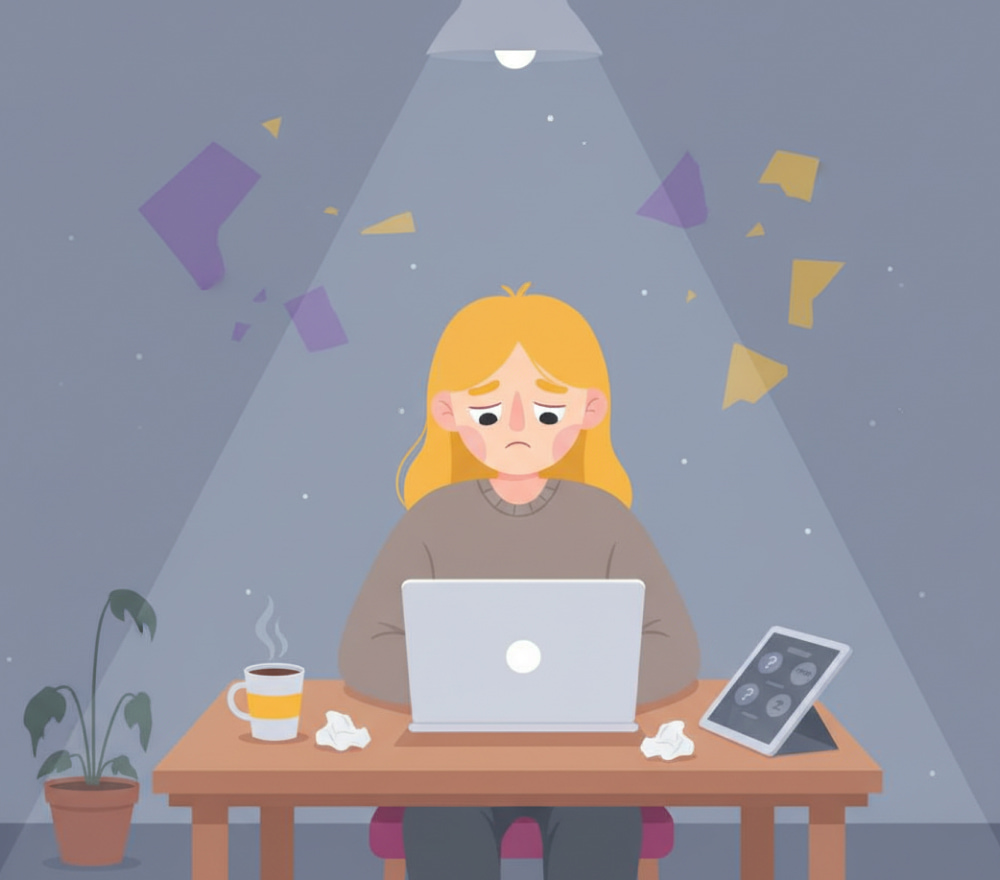
Do I Have Depression?
Explore YourselfWhat a Digital Screening Can and Can’t Do
Modern mood screeners offer an accessible way to reflect on how you’ve been feeling, thinking, and functioning over the past two weeks. These tools translate your self-reported experiences into a structured snapshot, which can highlight patterns people often miss amid daily stress. While convenient and fast, a screening is not a diagnosis, and it never replaces a conversation with a licensed clinician who can account for medical history, life events, and overlapping conditions.
Reliable questionnaires are built on validated instruments such as the PHQ‑9, CES‑D, or HADS‑D, and they’re designed to be straightforward and stigma‑reducing. In many cases, people use a depression test online to start a dialogue with a primary care provider or therapist, bringing printed results or screenshots to make the discussion specific. Results typically map to ranges (for example, minimal, mild, moderate, or severe symptoms), which helps you decide on next steps without guesswork.
It’s equally important to understand limits, especially around nuance and context. A clinical interview can probe issues like grief, burnout, trauma, bipolar spectrum features, and substance use, which a quick online depression test may not fully capture. Consider any score a prompt for reflection and a signal to seek personalized guidance, particularly if symptoms are persistent, worsening, or interfering with relationships, work, or safety.
Benefits, Timing, and Risks to Consider
Screenings shine when you need a low‑barrier, judgment‑free starting point. The format encourages candid disclosure, and the immediate score reduces uncertainty that can keep people stuck. Timing matters, though: taking a screener when you’re exhausted or after a crisis can skew results, so it helps to answer when you can focus for a few quiet minutes. Used thoughtfully, these tools can catalyze earlier care, which is strongly associated with better outcomes and fewer relapses.
Cost can be a hurdle for many health services, yet you can often find a free depression test online hosted by reputable organizations, universities, or clinics. Another practical plus is that digital tools are available 24/7, preserving momentum when motivation is fragile and reducing the friction that delays help‑seeking.
People also value clarity about what a result means in everyday life. If you want a zero‑cost option with immediate scoring and plain‑language guidance, a depression test free online can provide a brief explanation of scores, suggested resources, and ideas for next steps. Still, remember that any concerning result warrants follow‑up with a professional who can tailor care and confirm the best course of action.
- Use consistent timing if you re‑take a screener to track progress.
- Answer based on the typical past two weeks, not a single tough day.
- Save or print results so you can discuss them accurately.
- Pair screening with supportive habits like sleep hygiene and movement.
Choosing a Trusted Screening Tool
Quality varies widely online, so it pays to look for instruments backed by peer‑reviewed evidence and transparent scoring. Credible sites disclose the questionnaire name, how scores are calculated, and how to interpret ranges. They also link to crisis resources and clearly state that the tool is for education, not diagnosis. Short forms can help with quick check‑ins, while longer forms offer more granularity when you want a detailed snapshot.
User experience matters as well, including accessibility features, language options, and mobile responsiveness. If you prefer a streamlined experience that still relies on validated items, an online depression test free can be a sensible entry point before you pursue therapy, coaching, or medical evaluation.
| Tool | Evidence base | Typical length | How results are framed |
|---|---|---|---|
| PHQ‑9 | Widely validated in primary care and telehealth | 9 items | Minimal to severe symptom ranges with action cues |
| PHQ‑2 | Validated ultra‑brief screener for quick triage | 2 items | Positive screen prompts fuller assessment |
| HADS‑D | Validated in medical and outpatient settings | 7 items (depression subscale) | Score bands suggest likelihood of clinical symptoms |
| CES‑D | Extensive research across populations | 20 items | Cutoffs indicate elevated depressive symptomatology |
Another sign of reliability is data stewardship, including clear privacy policies and anonymized analytics. For many people, a free online depression test that publishes its methodology and cites its source instrument strikes the right balance between convenience and credibility, especially when paired with local referrals and optional follow‑up content.
Interpreting Scores, Privacy, and Next Steps
Once you’ve finished a questionnaire, pause to read the guidance attached to your range. Scores reflect symptom frequency, but they don’t capture context such as bereavement, postpartum changes, or chronic pain. If your result is moderate to severe, consider contacting a primary care clinician, therapist, or psychiatrist to confirm a plan that aligns with your history, preferences, and priorities. Immediate help is essential if you’re thinking about self‑harm; in that case, contact local emergency services or a crisis line right away.
Many people prefer interactive formats that provide step‑by‑step feedback and educational links. When you want an engaging, lightweight experience, a depression test online quiz can deliver a quick pulse‑check along with practical resources tailored to your indicated range. Use this as a bridge to evidence‑based care rather than a stand‑alone solution.
Trustworthy platforms make privacy a first‑order concern and avoid selling personal data. If you’re exploring options and want a simple experience without paywalls, you might opt for a depression test online free that states how responses are stored, whether cookies are used, and how you can delete your data after receiving results.
Teens, Caregivers, and Cultural Context
Adolescents experience mood changes alongside rapid developmental shifts, social pressures, and academic demands. Screening can illuminate whether struggles are transient or more persistent, and it can empower families to seek timely support. For caregivers, approaching the topic with curiosity, warmth, and nonjudgment helps teens speak openly. Whenever possible, pair results with a conversation about sleep, school stress, friendships, and substance use, then build a collaborative plan to access care.
Because barriers like cost, transportation, and stigma can delay care, families often start with a depression test teens online free as a low‑stakes first step. After reviewing the score together, consider school counselors, pediatricians, or youth‑focused therapists who can offer a fuller evaluation and provide age‑appropriate interventions.
Cultural values and language shape how symptoms are expressed and understood. If you or your teen prefer a bilingual resource, you can look for tools that support multiple languages as you navigate an online test depression option that respects identity, accessibility needs, and family context. Community‑based organizations and culturally competent clinicians can further tailor care to traditions and beliefs that matter to you.
How to Take a Screening Effectively
Set aside a few calm minutes and answer honestly based on the past two weeks. Keep in mind that the goal is clarity, not perfection, and that a single score is just one data point among many. If your reading feels higher than expected, give yourself patience, and use the information to guide supportive actions like reaching out to someone you trust or scheduling a professional consult.
People who want a lightweight starting point often appreciate that a free online test for depression pairs immediate results with explanations written in plain language. The best experiences also link to crisis supports, local providers, and self‑care tips that fit your situation.
Follow small, practical steps after you receive your score, and try not to overhaul everything at once. If you prefer a quick check‑in rather than a long questionnaire, you can choose a concise free online depressed test to monitor changes over time while you pursue therapy, coaching, or lifestyle adjustments that move you toward recovery.
- Retake the same instrument at consistent intervals to track trends.
- Combine screening with journaling to capture context and triggers.
- Share results with a clinician to co‑create a tailored care plan.
- Act on warning signs promptly, especially if safety is a concern.
FAQ: Common Questions About Online Depression Screening
Is a digital screening the same as a diagnosis?
No. A screening flags patterns that may indicate depression, but only a qualified clinician can provide a diagnosis after a comprehensive evaluation.
How accurate are these tools?
Validated questionnaires show good sensitivity and specificity in research, especially for moderate and severe symptom ranges, yet they remain one part of a fuller assessment.
What should I do if my score is high?
Prioritize safety and contact a healthcare professional promptly. If you’re in immediate danger or thinking about self‑harm, reach out to local emergency services or a crisis line right away.
Can I use a screening to track my progress in care?
Yes. Using the same instrument at regular intervals helps you and your clinician see trends, calibrate treatment, and celebrate improvements that might otherwise go unnoticed.
Will my data be private?
That depends on the platform. Look for clear privacy policies, data minimization, encryption, and options to delete your responses after viewing results.