
Understand Free Depression Self-Tests: Clear Guidance and Practical Next Steps
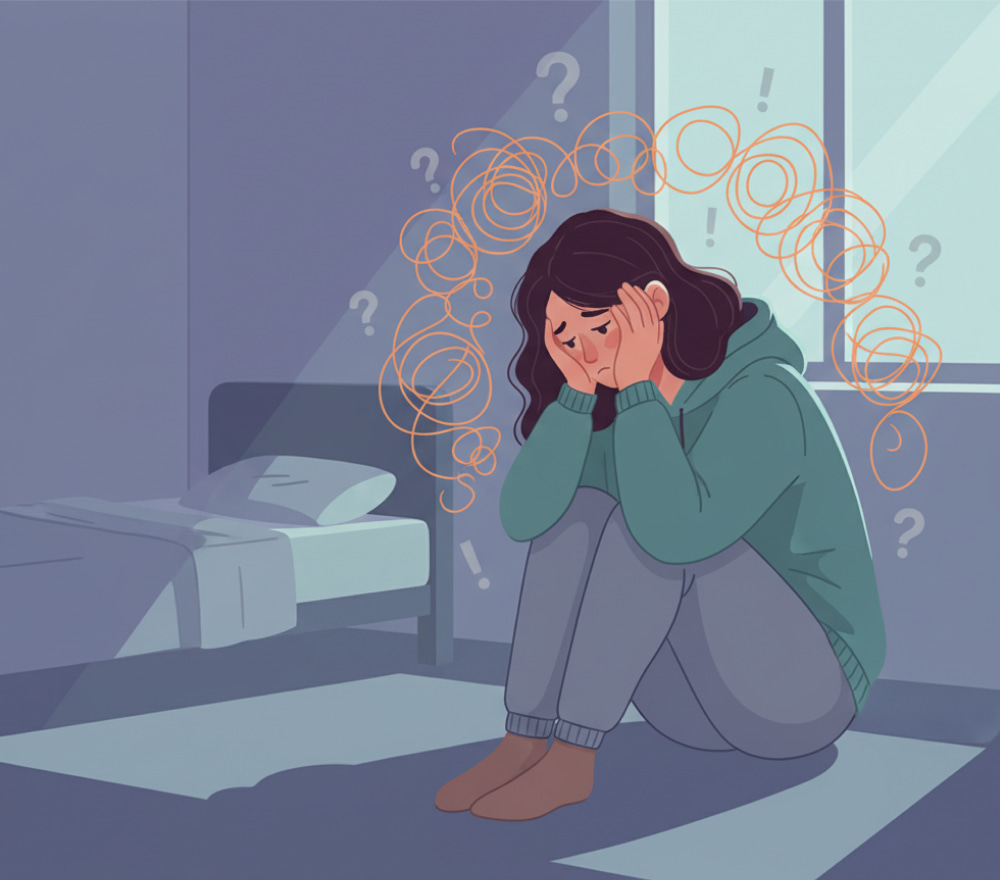
Do I Have Depression?
Explore YourselfWhat a Screening Shows, and How to Interpret Your Results Responsibly
Self-assessments can help you notice patterns in mood, motivation, sleep, and concentration that may point to emotional strain. They are not diagnoses, yet they offer a structured snapshot that many people find clarifying before speaking with a clinician. When used thoughtfully, a short questionnaire becomes a compass, highlighting whether your recent experiences might deserve a deeper look. Interpreting scores with context matters, because life stressors, health conditions, medications, and grief can influence how you feel day to day.
Even if you feel uncertain, you may gain clarity by trying a depression test for free that summarizes symptom frequency over the past two weeks. If you prefer to ease in without scheduling an appointment, you could explore a free online depression test and then decide whether to share the results with a professional or a trusted person in your life. Many people find comfort in seeing their feelings reflected in validated questions, because it normalizes what can otherwise feel isolating or confusing.
After you complete a first screen, it helps to note changes in mood, energy, and sleep over time and to repeat a questionnaire periodically. You can also review reputable libraries that maintain depression tests free and provide instructions for reading scores and noticing warning signs. Tracking your results in a journal alongside daily routines, exercise, and social contact can reveal practical adjustments that support recovery, while also signaling when it is time to seek clinical care.
- Use results as a conversation starter with a licensed professional.
- Note which days feel harder and what coincides with those shifts.
- Share concerns with someone you trust if you feel overwhelmed.
- Seek immediate help if you have thoughts of self-harm or suicide.
How Free Screenings Work and What to Expect When You Click “Start”
Most mental health screeners ask how often you experienced specific symptoms within a recent timeframe, typically two weeks. They total your responses to estimate severity ranges, such as minimal, mild, moderate, or severe, and then suggest options like watchful waiting, self-help strategies, or contacting a clinician. Evidence-based instruments such as the PHQ‑9, PHQ‑A, CES‑D, and HADS‑D have been studied across diverse populations, making them dependable first steps rather than one-off internet quizzes.
If you are pressed for time, you might choose a free depression test online that takes two to four minutes and returns a simple summary with tailored tips. When you want a thorough snapshot, you can select a tool labeled as a depression test online free and review its scoring explanation before you begin answering items. Some platforms also let you save an anonymous code so you can compare scores later without creating an account.
| Tool | What it measures | Items | Time | Typical use |
|---|---|---|---|---|
| PHQ‑9 | Core symptoms of depressive disorders | 9 | 2–4 minutes | Adults and older adolescents |
| PHQ‑A | Adolescent-focused depression symptoms | 9 | 3–5 minutes | Teens with youth-appropriate wording |
| CES‑D | Depressive affect, somatic complaints, social withdrawal | 20 | 5–7 minutes | Community and research settings |
| HADS‑D | Depression dimension without somatic confounds | 7 | 2–3 minutes | Medical clinics and primary care |
Once you finish, it is wise to read the score description carefully and consider factors like recent loss, chronic illness, or burnout that could influence answers. For a broader perspective, some people compare tools or repeat a free online test for depression after sleep improves, workload stabilizes, or therapy begins, which helps them see whether changes in routine correspond to emotional shifts.
- Set aside quiet time to answer honestly without rushing.
- Capture your score and dates to watch trends rather than single moments.
- Pair screening with supportive habits like movement, nourishment, and connection.
Benefits, Limits, Privacy Considerations, and What to Do After You Get a Score
Quick access, zero cost, and plain‑language explanations make online screeners approachable, especially when scheduling feels daunting. Screens also reduce stigma by making mental health check‑ins as routine as blood pressure checks, and they encourage earlier help‑seeking. If email sign‑ups are a barrier, you can look for a depression test free no email option that presents results directly on the page without requiring any account.
Although these tools are useful starting points, they cannot capture the nuance of your story, so they should never replace a professional evaluation. If you want immediate guidance without a long intake, you could begin with an online depression test free and then bring your score to a primary care clinician or therapist for context. Clinicians can consider medical issues, life changes, trauma history, substance use, and cultural factors that shape how symptoms show up for you.
Confidentiality matters, and trustworthy platforms explain how they handle data and whether results are stored. If you prefer maximum anonymity, you might choose a depression test free online that does not collect identifiers, so you can review results privately and decide what to share later. After you read your score, consider jotting a few notes about sleep, appetite, motivation, and stressors to bring to your next appointment or to discuss with a supportive friend.
- Use strong device passcodes and private browsing if you share a computer.
- Take screenshots of results only if your device is secured.
- Follow up promptly if your score suggests moderate or severe concerns.
Support for Adolescents and Families
Adolescence brings rapid shifts in identity, sleep patterns, social life, and academic pressure, which can blur the line between typical ups and downs and something more serious. Caregivers may notice irritability, pulling away from friends, slipping grades, or a sudden loss of interest in once‑loved activities. When concerns surface, a compassionate, nonjudgmental approach helps teens feel safe enough to open up about what is actually going on beneath the surface.
If you are exploring youth‑specific tools, you can seek a depression test free for teens that uses age‑appropriate wording and offers guidance tailored for adolescents. Results make a helpful starting point for shared decision‑making, whether that means discussing stress at school, planning daily routines that protect sleep, or booking an appointment with a pediatrician or school counselor. Remember that screeners should complement, not replace, a full evaluation by a licensed professional.
For digital‑first teens, it may feel easier to try a depression test teens online free on a phone and then decide whether to talk in person with a trusted adult. Short, consistent check‑ins can reduce the pressure of “one big talk” and build trust over time. Encourage open questions like “What felt hardest today?” and “What would make this week even 10% easier?” to invite honest conversation rather than yes/no responses. Families looking for a starting point might consider a free depression test to frame discussion and to plan a supportive next step like contacting a clinician, reaching out to a helpline, or adjusting daily routines. If there is any concern about safety, do not wait for an appointment; contact local emergency services or a crisis line right away. Affirm that seeking help is a sign of strength, and that feeling better is possible with the right support network in place.
- Agree on privacy boundaries and how results will be used before screening.
- Coordinate with school counselors for continuity of support.
- Model healthy coping strategies and routine check‑ins at home.
FAQ: Common Questions About Free Depression Screenings
Are online depression screens accurate enough to trust?
Many popular screeners are based on validated tools widely used in clinics and research, which makes them reliable as first‑line checks. Accuracy improves when you answer honestly, avoid rushing, and consider your results alongside context such as stress, grief, and health conditions. A formal diagnosis, however, requires assessment by a licensed professional who can differentiate between overlapping conditions and tailor care.
What should I do if my score is high or I feel worse quickly?
Seek prompt support from a clinician or a crisis resource, and consider sharing your results with a trusted person for added safety. If you have thoughts of self‑harm or suicide, contact local emergency services or a crisis hotline immediately. Until you connect with care, focus on essentials like sleep, hydration, movement, and staying around supportive people.
Will my results be private, and can I avoid creating an account?
Reputable platforms disclose data practices and may offer on‑page results without registration. Review privacy statements, use a secure device, and avoid public Wi‑Fi when possible. If anonymity is important, look for tools that do not request personal identifiers and that let you save results locally instead of on a server.
How often should I retake a screening?
Retesting every few weeks can help you notice trends, but frequency depends on how much your circumstances are changing. Many people repeat a screen after starting therapy, adjusting medication under medical guidance, or making lifestyle changes affecting sleep and stress. Keep notes so you can share a clear timeline with your clinician.
Can lifestyle changes improve scores, and what are realistic next steps?
Supportive routines can help, including regular sleep, balanced meals, gentle exercise, meaningful connection, time outdoors, and structured problem‑solving. Combine those steps with professional guidance when scores suggest moderate to severe concerns or when daily functioning is impaired. Small, steady adjustments often compound into meaningful gains over time.