
Depression Test for Teens: Reliable Self-Checks, Real Support, and Practical Next Steps
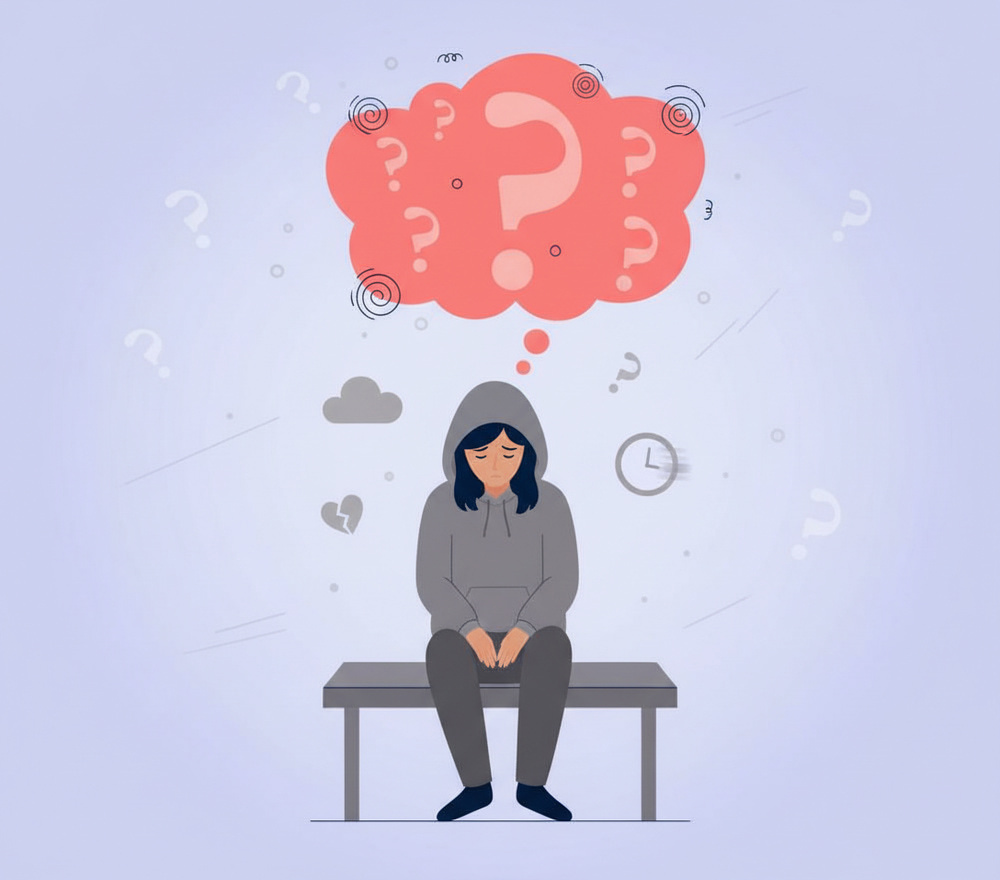
Do I Have Depression?
Explore YourselfWhy Early Screening Matters for Young People
Adolescence is a period of intense change, and mood shifts can be hard to interpret for families, educators, and teens themselves. Because symptoms can look like everyday stress, structured self-checks bring clarity when emotions feel tangled. Routine screening helps differentiate passing sadness from patterns that might benefit from support, skill-building, or a clinical evaluation. When a young person understands that mood symptoms have names, trajectories, and proven interventions, the path forward becomes less intimidating and more actionable.
Among school checkups and pediatric visits, a teen depression test often functions as a brief, validated screener that flags persistent low mood, anhedonia, or hopelessness for further discussion. These questionnaires are not diagnoses, yet they efficiently surface signals that warrant attention, such as changes in sleep, appetite, concentration, or irritability. Short forms also reduce stigma; it can feel easier to select responses on a page than to voice painful thoughts out loud at first. That small step can spark a conversation that leads to concrete help.
Screening proves most helpful when results are interpreted in context. Life events, neurodevelopment, and physical health all influence mood and behavior, so a holistic view matters. Families and caregivers can support teens by listening without judgment, encouraging healthy routines, and connecting results to appropriate resources. When caring adults normalize help-seeking, teens learn that struggling is common, and that recovery is possible.
- Brief tools reduce barriers and encourage honest reflection.
- Clear scoring highlights trends that might otherwise be missed.
- Results guide next steps, from self-care to professional support.
- Early insight helps prevent symptoms from escalating.
How Screening Tools Work and What They Measure
Most adolescent mood screeners are self-report forms that ask how often specific symptoms occurred over the past one to two weeks. Items span sadness, loss of interest, sleep disruptions, appetite shifts, fatigue, concentration problems, guilt, and thoughts of self-harm. Responses typically use a four-point scale, and total scores reflect symptom severity ranges. Clinicians sometimes repeat the same instrument over time to track whether symptoms rise, hold steady, or improve with support.
Across clinics and youth programs, the umbrella term depression test teens is used for concise, psychometrically sound questionnaires that help spark timely conversations. These tools are designed to be quick, readable, and age-appropriate, balancing sensitivity with specificity so that positive screens get the attention they deserve without overpathologizing typical ups and downs. Importantly, a positive screen should always be followed by a skilled interview to understand safety, context, and co-occurring concerns such as anxiety or substance use.
| Tool | Ages | Items | Typical time | Primary focus |
|---|---|---|---|---|
| PHQ-A | 12–18 | 9 | 2–4 minutes | Core depressive symptoms aligned with DSM criteria |
| MFQ (Short) | 6–19 | 13 | 3–5 minutes | Mood and cognitive symptoms across childhood and adolescence |
| CDI 2 (Short) | 7–17 | 12 | 3–5 minutes | Negative mood, interpersonal problems, and self-esteem |
| PHQ-9 (Teen-adapted) | 12–18 | 9 | 2–4 minutes | Severity monitoring and treatment response tracking |
When reviewing results, look beyond a single number. Item-level patterns can reveal targeted needs, sleep-focused support, behavioral activation, or cognitive coping strategies. If any item indicates current self-harm thoughts, elevate safety planning immediately and involve a trusted adult or clinician. Finally, remember that screeners are most useful as conversation starters, not verdicts; they point to the next right step rather than define the whole story.
- Short, repeatable measures support progress monitoring.
- Cut-points suggest severity tiers that inform care pathways.
- Item patterns help tailor strategies for daily functioning.
- Follow-up interviews ensure context and safety planning.
Access, Costs, and Privacy for Digital Self-Checks
Digital screening has expanded access by making self-check tools available on phones, tablets, and laptops. Many nonprofit organizations and healthcare networks provide trustworthy portals with clear privacy policies, readable explanations, and instant, plain-language summaries. Teens value confidentiality, so platforms that minimize data collection and avoid advertising are preferable. Accessibility features such as larger fonts, translation options, and screen-reader support also encourage equitable participation.
Secure environments and transparent data practices matter. When privacy is essential, many reputable organizations host a depression test teens online free pathway that you can complete anonymously without setting up an account. Look for sites that state who created the tool, how it is scored, whether results are stored, and what happens to any metadata. Clarity around these questions reduces hesitation and empowers informed consent.
- Review the site’s privacy notice before answering items.
- Use a trusted device and a secure connection to protect data.
- Avoid sharing screenshots of sensitive results on social media.
- Plan who you will talk to about the outcome before you begin.
As you consider where to start, prioritize sources connected to hospitals, universities, or established mental health organizations. Transparent authorship, references to peer-reviewed validation studies, and clear next-step guidance are markers of quality. If your results feel surprising or confusing, bring them to an adult you trust and ask for help interpreting what they might mean for your day-to-day life.
Understanding Results, Starting Conversations, and Taking Next Steps
Finishing a screener is only the beginning; the real value arrives when results lead to supportive actions. Share your score with a caregiver, school counselor, or clinician, and describe a few specific examples of how symptoms show up in daily routines. That kind of detail, hard mornings, drifting focus, social withdrawal, helps adults match resources to your needs. Small, consistent changes can make a difference even before formal treatment begins, including regular sleep schedules, movement, and moments of positive activity that counter inertia.
On trusted public portals, you might see a depression test free for teens link paired with next-step resources like text lines, chat services, and directories. Use those guides to locate local providers, youth groups, or school-based services, and ask about sliding-scale fees if cost is a concern. If symptoms include thoughts of self-harm, prioritize safety by contacting a crisis service, telling a caregiver, or reaching out to a clinician immediately. You deserve rapid, compassionate support, and urgent responses are available around the clock.
- Bring results to a medical visit and ask about evidence-based options.
- Track sleep, activity, and mood to notice helpful patterns.
- Practice skills such as behavioral activation and cognitive reframing.
- Lean on supportive peers and trusted adults while building a plan.
Progress is rarely linear, and setbacks are common. Regularly rescreening can highlight small improvements that are easy to miss in the moment. With time, the combination of self-awareness, social support, and professional care can restore energy and hope, helping you reconnect with the people, interests, and goals that matter most.
FAQ: Common Questions About Teen Mood Screeners
What exactly is a teen mood self-check?
It is a short questionnaire that asks about recent feelings, behaviors, and daily functioning to gauge whether symptoms align with depression. Items are designed to be understandable and quick to complete, and scoring places responses into ranges that suggest whether a follow-up conversation might help. Results are informational and should be paired with clinical judgment, especially if there are safety concerns.
Are online tools accurate enough to trust?
Many widely used instruments were developed through careful research and have good reliability for initial screening. In everyday search language, the phrase do i have depression test teens refers to short self-check tools that screen for symptoms, not to a formal diagnosis. Accuracy improves when the tool matches your age group and when results are reviewed with a professional who can consider context, co-occurring issues, and risk factors.
Will my answers be private?
Reputable platforms outline privacy practices, including whether responses are stored or anonymized. Before starting, read the site’s policy and consider using a trusted device and a secure network. If anonymity matters, choose tools that don’t require accounts, and plan who you’ll share results with so you feel in control of your information.
What should I do if my score seems high?
Start by telling a parent, guardian, school counselor, or clinician and ask for help interpreting next steps. High scores can feel scary, but they are signals to get support, not verdicts about your future. If there are any thoughts of self-harm, elevate safety immediately by contacting a crisis service or a trusted adult who can stay with you while you get help.
How can I support a friend who screened positive?
Listen without judgment, validate their feelings, and encourage them to talk with a trusted adult or health professional. Offer to sit with them while they reach out, and check back in over the next few days. Supportive presence, practical help with logistics, and patience can make a meaningful difference while they connect with care.
Remember that screening is a doorway, not a destination. With the right information, caring relationships, and evidence-based support, teens can navigate hard moments and build lasting resilience.