
Depression Symptoms Test: Understanding Signs, Tools, and Next Steps
Do I Have Depression?
Explore YourselfWhat a Symptom Screening Can Reveal and Why It Matters
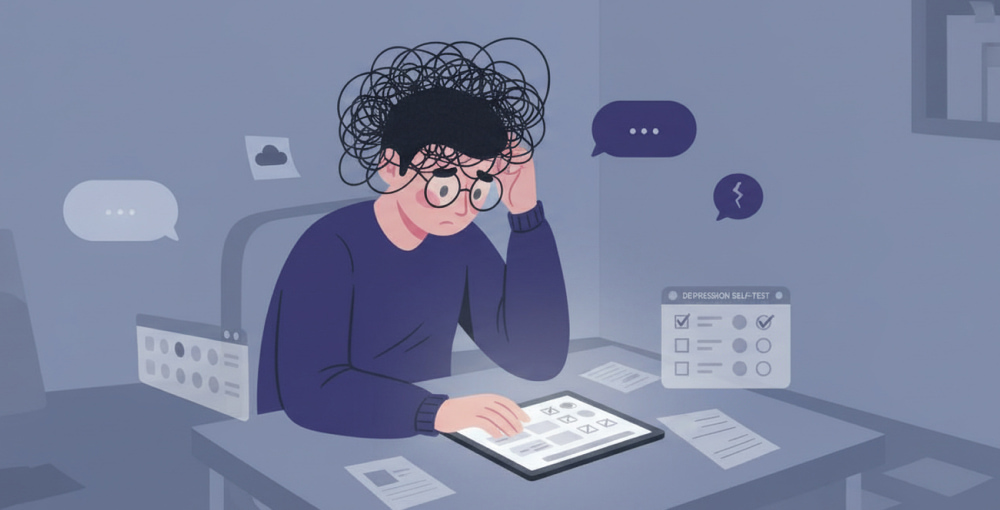
Feeling persistently low, drained, or stuck can be confusing, and a structured mood screening helps turn vague unease into a clearer picture. Rather than guessing, a short, research-informed questionnaire gathers clues about how often distressing feelings occur, how long they last, and how strongly they interfere with daily life. This kind of self-check does not replace a clinician’s judgment, yet it organizes your observations in a way that supports more productive conversations with a professional or a trusted support person.
People often arrive at screening after noticing patterns: sleep changes, loss of motivation, irritability, or a sense of heaviness that does not lift with rest. A validated set of items transforms those scattered moments into quantifiable themes. You can think of it as a snapshot of mental health functioning, much like taking a temperature before deciding whether to visit a doctor. When used thoughtfully, the process reduces uncertainty, identifies trends over time, and points to practical next steps such as lifestyle adjustments, therapy referrals, or medical evaluation.
While self-assessments can empower, they work best when paired with context. Personal history, family background, physical health, medications, and recent stressors all shape how scores should be interpreted. It also helps to remember that mood states fluctuate, so what you record today may differ from next week. Regular check-ins enable you to see directionality rather than fixating on a single number.
- Clarifies which symptoms are most active right now
- Creates a baseline for tracking improvement or escalation
- Supports earlier intervention and collaborative care planning
- Encourages reflection without judgment
- Promotes safer decisions when distress intensifies
How Screening Tools Work, What They Measure, and When to Use Them
Evidence-based questionnaires prioritize consistency, brevity, and clarity so that anyone can complete them within a few minutes. Most ask about mood, interest in activities, sleep quality, appetite shifts, concentration, energy levels, and thoughts of self‑worth. Each response maps to a scale, often “not at all” through “nearly every day”, which produces a numeric score. The total helps approximate severity while sub-scores reveal specific areas needing attention. A good instrument balances sensitivity (finding what’s there) with specificity (avoiding false alarms), and it remains reliable across different ages, cultures, and contexts.
In many cases, you begin with a brief screener and then repeat it over time to monitor how life changes or treatment influence well‑being. Some clinics embed screeners into routine visits, while telehealth platforms integrate them at account creation to personalize recommendations. For individuals exploring their mental health privately, the depression symptoms test can serve as a practical starting point that highlights patterns, guides reflection, and sets the stage for a more informed discussion with a licensed professional.
The table below compares widely used tools so you can see how they differ in length, timing, and interpretation. This helps you select the format that matches your setting, self‑check, primary care, or specialty practice, and understand what the score may imply before you talk with a clinician.
| Tool | Items | Typical Time | Score Range | What Scores Suggest |
|---|---|---|---|---|
| PHQ-9 | 9 | 2–4 minutes | 0–27 | 0–4 minimal, 5–9 mild, 10–14 moderate, 15–19 moderately severe, 20–27 severe |
| HADS-D | 7 | 3–5 minutes | 0–21 | 0–7 normal, 8–10 borderline, 11–21 clinical level |
| BDI-II | 21 | 5–10 minutes | 0–63 | 0–13 minimal, 14–19 mild, 20–28 moderate, 29–63 severe |
| CES-D | 20 | 4–6 minutes | 0–60 | Higher scores reflect greater symptom burden; 16+ indicates risk |
- Choose a brief screener when time is limited, then follow up if concerns persist
- Reassess periodically to observe patterns rather than relying on a single score
- Bring results to appointments to accelerate collaborative decision‑making
Interpreting Scores, Tracking Change, and Taking Action
Numbers feel reassuringly precise, yet they capture only part of the story, so interpretation should harmonize scores with personal context. A moderate score may align with a temporary stressor, while a lower score could mask distress in someone who underreports symptoms. Consider duration, recent losses, physical health, and functioning at work or school. Scores also inform triage: higher levels suggest a need for earlier appointments, safety planning, or medication evaluation, whereas milder levels may respond well to psychoeducation and lifestyle changes.
Once you have a baseline, plan to repeat the same instrument at set intervals, such as every two weeks. Trend lines become more meaningful than isolated values and help you and your clinician evaluate whether a strategy is effective. If scores worsen or new risk factors appear, such as escalating hopelessness, prioritize contact with a professional. In urgent scenarios, clinics may use a severe depression symptoms test to rapidly identify risk, refine safety steps, and coordinate intensive support without delay.
To get the most from tracking, keep brief notes about sleep, exercise, social contact, and substance use alongside your scores. That pairing makes it easier to connect what you do with how you feel and to choose adjustments with the greatest payoff. Over time, you will build a personalized playbook for maintaining equilibrium.
- Log assessments on a consistent schedule to improve reliability
- Share data with a clinician to adjust therapy or medication efficiently
- Treat sudden score spikes as signals to seek help promptly
- Celebrate incremental improvements to build momentum
Benefits, Limitations, and Ethical Use of Self-Assessments
Screening brings clear advantages: it reduces ambiguity, amplifies your voice in care decisions, and promotes earlier support. Accessible questionnaires lower barriers for people who hesitate to speak openly at first, and they facilitate stepped care by matching intensity of services to need. The format also encourages reflection, turning diffuse discomfort into structured insights that lead to concrete actions such as scheduling therapy, trying behavioral activation, or discussing medication with a doctor.
At the same time, there are limits. A self-check cannot diagnose complex conditions, rule out medical contributors like thyroid disorders, or replace nuanced clinical interviews. Cultural differences can influence how people interpret items, and some individuals may understate or overstate experiences based on mood, stigma, or misunderstanding. It is also possible to fixate on numbers and overlook meaningful life changes, such as improved relationships or reduced avoidance, that a single score may not capture.
Ethical use means respecting privacy, choosing validated tools, and involving professionals when scores or experiences raise concern. If you find yourself thinking about self-harm, seek immediate help through local emergency services or a crisis line in your region. Friends, family, and clinicians can form a support network that complements what the questionnaire reveals. With thoughtful boundaries, screening becomes a catalyst for hope and effective care rather than a rigid label.
- Use validated instruments rather than untested internet quizzes
- Interpret results with clinical input whenever possible
- Protect your data by choosing secure platforms
- Balance numeric scores with lived experience and goals
Self-Help Strategies and Collaborative Care After Screening
Once a questionnaire highlights where you stand, actionable steps help convert insight into momentum. Many people start with small, repeatable habits that influence mood physiology: consistent sleep and wake times, daylight exposure early in the day, gentle movement, and regular meals. Behavioral activation, scheduling modest, meaningful activities even when motivation is low, often lifts energy before mood fully improves. Pairing activities with social contact can multiply benefits, especially when isolation has crept in.
Therapeutic support magnifies progress by teaching skills for reframing thoughts, tolerating discomfort, and aligning daily routines with personal values. Medication may be considered when symptoms interfere substantially with functioning or when a history of episodes suggests a biological vulnerability. Collaboration matters throughout: share your goals, track side effects, and review outcomes together. If something is not working after a fair trial, iterate rather than abandoning care.
Alongside treatment, build protective routines that keep you grounded. Consider a short morning plan, a mid‑day reset, and an evening wind‑down. Make it specific and realistic so it survives busy days. A small toolkit, journaling prompts, breathing exercises, a short walk, or a call with a friend, can help you ride out rough patches. When distress intensifies, prioritize safety, ask for support, and use professional resources without hesitation.
- Craft a weekly activity schedule that balances rest, connection, and purpose
- Align meals and movement with a predictable circadian rhythm
- Use brief check‑ins to notice what helps and double down on it
- Keep a crisis plan with contacts and steps prepared in advance
FAQ: Practical Answers to Common Questions
How accurate are brief mood screeners compared to a full evaluation?
Validated screeners reliably flag risk and approximate severity, but they do not diagnose on their own. Accuracy improves when results are combined with a clinician’s interview, medical history, and functional assessment. Treat them as decision aids that guide next steps rather than definitive labels.
How often should I repeat a questionnaire to monitor progress?
Every one to two weeks works well for most people, though clinicians may adjust the cadence based on symptoms and treatment changes. Using the same tool consistently allows you to view trend lines and make informed adjustments to therapy, lifestyle, or medication.
Can physical health issues affect my scores?
Yes. Thyroid problems, anemia, chronic pain, infections, and side effects from medications can mimic or amplify mood symptoms. If your scores rise unexpectedly, consider a medical checkup to rule out contributing conditions and coordinate care across providers.
What should I do if my responses indicate high risk or I feel unsafe?
Prioritize immediate safety by contacting local emergency services or a crisis line in your area, and notify someone you trust. High scores are signals to seek urgent professional support, not to handle things alone. Follow up with your clinician to develop a personalized plan.
Is it okay to use online tools before speaking with a professional?
Online screeners can be a useful first step when they are evidence‑based, clearly scored, and transparent about privacy. Use them to clarify concerns and organize your thoughts, then share results with a licensed professional for interpretation and guidance tailored to your situation.