
Comprehensive Guide to Self-Testing for Depressive Symptoms
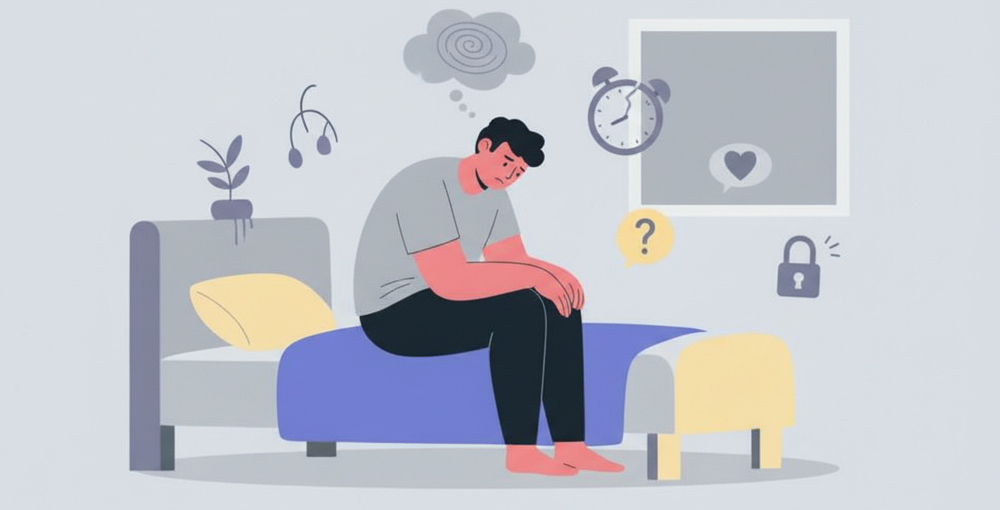
Do I Have Depression?
Explore YourselfWhat Self-Screening Really Means and How It Helps
Feeling persistently down, running out of energy, or losing interest in once-meaningful activities can be confusing and isolating. A structured questionnaire can turn vague distress into clearer information, offering a snapshot of mood, sleep, focus, and motivation. While no short quiz replaces a clinician’s assessment, a thoughtfully designed screener can encourage reflection, track change over time, and nudge timely next steps. People often appreciate the privacy, immediacy, and gentle language of these tools, which can be taken at home, on a phone, and without pressure.
Digital screeners transform blurry feelings into observable patterns using standardized questions and simple scoring. In many online checkups, the phrase depression self test appears as a clear label for a quick screener, yet it signals a preliminary step rather than a medical verdict. Transparency matters, because knowing what a tool can and cannot do sets healthy expectations. When results are presented with neutral wording, helpful context, and plain-language guidance, users tend to engage more honestly and feel less judged. Over time, repeated screenings can reveal ebbing or intensifying patterns, which is valuable context to share with a professional.
- Clarifies symptom patterns without pressure to disclose in person.
- Provides quick, structured feedback that supports informed choices.
- Offers a private, low-friction way to reflect on well-being and stressors.
- Helps track changes across weeks, especially during life transitions.
- Creates a conversation starter with trusted friends, family, or clinicians.
How Common Screening Tools Work, Scoring Basics, and Choosing the Right Fit
Most evidence-based screeners use short, plain statements and ask how often a symptom appeared over the past two weeks. Responses typically follow a 4- or 5-point scale that translates experiences into numbers, which are then summed into a total score. The final number is not a diagnosis; it is a clue that hints at current severity and whether a deeper conversation might be helpful. Tools also vary in reading level, cultural neutrality, and how they phrase sensitive topics, such as sleep, appetite, or thoughts of self-harm.
Different tools vary in length, language, and recommended audiences. If you favor plain language and minimal jargon, the approachable depression self assessment test formats tend to feel less intimidating for a first pass. Brief measures offer speed, while longer questionnaires provide nuance that can capture subtle shifts. The ideal choice balances readability, coverage of core symptoms, and whether you plan to retake the screener to monitor change over time.
| Tool | Items | Time | Primary Focus | Score Meaning (Typical Ranges) |
|---|---|---|---|---|
| PHQ-9 | 9 | 2–4 minutes | Core depressive symptoms over 2 weeks | 0–4 minimal, 5–9 mild, 10–14 moderate, 15–19 moderately severe, 20–27 severe |
| HADS-D | 7 | 3–5 minutes | Depression subscale with medical settings in mind | 0–7 normal, 8–10 borderline, 11–21 abnormal |
| BDI-II | 21 | 5–8 minutes | Broader cognitive, affective, and somatic dimensions | 0–13 minimal, 14–19 mild, 20–28 moderate, 29–63 severe |
When reviewing results, scan both the total score and individual items that felt especially relevant. A single high-impact item (for example, thoughts of self-harm) deserves prompt attention regardless of the total. Retesting on the same instrument supports apples-to-apples comparisons over weeks, while saving dated results creates an easy timeline to share during appointments.
Benefits, Limits, and Ethical Considerations You Should Know
Short screeners offer pragmatic benefits: they reduce stigma by normalizing mental health check-ins, they provide language to describe internal experiences, and they empower people to seek support earlier. These strengths make them excellent entry points. At the same time, results can be misunderstood if context is ignored. Stress, grief, chronic pain, thyroid conditions, and sleep disorders can mimic or mask similar symptoms, and a questionnaire cannot differentiate complex causes on its own. Cultural factors, translation choices, and literacy levels may also shape how someone interprets a question and chooses a response option.
Beyond curiosity, many people worry about labels and consequences, especially in workplaces or insurance contexts. In that context, a common query is can you self diagnose depression, and the honest response is that only a licensed professional can make or rule out a clinical diagnosis. Ethical use of screeners means treating scores as signposts rather than verdicts, prioritizing safety when severe symptoms emerge, and avoiding definitive labels without a full evaluation. When tools are framed as guides that encourage timely support, they respect autonomy while steering toward care that matches individual needs.
- Use scores as conversation starters, not final answers.
- Prioritize safety if intense distress or risk appears, regardless of totals.
- Consider co-occurring issues like anxiety, substance use, or medical conditions.
- Seek culturally responsive explanations and accessible reading levels.
- Retest periodically to observe trends instead of reacting to a single data point.
Interpreting Scores, Planning Next Steps, and Finding Support
After completing a screener, pause to notice patterns: which items stood out, how daily functioning has shifted, and what changed recently in your life. A modest score can still represent meaningful suffering if it reflects impairment at work, school, or home. Conversely, a higher score could be a momentary peak after a major stressor. Documenting context around the result, such as sleep, illness, or recent losses, helps you and a professional make sense of fluctuations. Sharing this context usually improves the quality of any follow-up conversation.
Start by identifying one or two steps that feel achievable within the next week, such as scheduling an appointment or talking with a trusted person about what you’re experiencing. Rather than pursuing self diagnosis depression as a destination, map concrete next steps with supportive resources. Practical actions can include gathering your screener results into a simple log, writing down questions you want to ask a clinician, and noting any urgent safety concerns. Clear plans reduce uncertainty and reinforce momentum, even when motivation feels low.
- Book a primary care or mental health appointment and bring your scores.
- Share your results with a supportive friend or family member for accountability.
- Set gentle routines around sleep, movement, meals, and daylight exposure.
- Use brief journaling to track mood, energy, and triggers alongside retests.
- If risk feels acute, contact local crisis services or emergency care immediately.
FAQ: Practical Answers About Self-Screening and Next Steps
How accurate are brief screeners for low mood?
Validated tools have solid sensitivity and specificity, meaning they often detect meaningful symptom patterns and minimize false negatives. That said, accuracy depends on honest answers, current stressors, and whether the instrument suits your context. A score is a probability signal, not a diagnosis. Professionals use these results as one data point among clinical interviews, history, and differential considerations.
What should I do if my score looks high?
If the total or certain items worry you, prioritize a timely conversation with a qualified clinician. Bring your responses, note how symptoms affect daily functioning, and include any medical conditions or medications. If you’re experiencing thoughts of self-harm or feel unsafe, seek urgent help through local emergency services or crisis lines right away. Safety always comes first, and swift support is a sign of strength.
Can lifestyle changes move the needle while I wait for care?
Foundational habits can provide incremental relief and resilience. Gentle movement, consistent sleep windows, balanced meals, and meaningful social contact are proven contributors to mood regulation. Light exposure in the morning and brief, structured tasks can also help restore rhythm. These steps are supportive, not substitutes for professional care, and they pair well with therapy or medication when recommended.
How often should I retake a screener to track change?
For most people, repeating the same instrument every one to two weeks offers a reasonable cadence that captures trends without over-focusing on daily noise. Consistency matters: use the same tool, at a similar time of day, and under similar conditions. Keep your results in a simple log with dates and contextual notes to make patterns easier to interpret during appointments.
What if my symptoms don’t fit neatly into the questions?
Questionnaires simplify complex experiences, so it’s normal to feel that some items miss nuances. Use comment notes, a journal, or a separate list to capture what feels hard to express in multiple-choice form. Bringing those details to a provider helps bridge gaps and ensures your care plan reflects your lived experience, not just a score.